Source Universal Motorcycle Rear Footrest for Racing, Touring, and Daily Commuting
Explore 30 listings for the universal motorcycle rear footrest, designed for various bike models including Suzuki, Yamaha, and Honda. Buyers can compare specifications such as carbon fiber materials, ISO certifications, and OEM compatibility to find suitable parts for metal processing machinery or general motorcycle body applications.
Key considerations
Products List








Comprehensive Sourcing Guide
Universal Motorcycle Rear Footrest Sourcing Guide
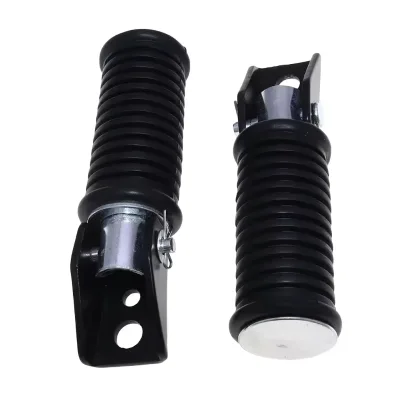
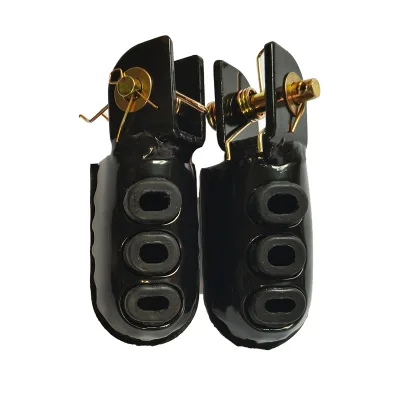
Procuring universal motorcycle rear footrests requires distinguishing between generic aftermarket components and models engineered for specific chassis geometries. The market offers a diverse range of options, from standard steel alloy machining parts with tight tolerances to specialized units designed for brands like Suzuki, Yamaha, and Honda. Buyers must carefully evaluate whether a "universal" designation implies a direct fit for their specific vehicle or if it necessitates additional fabrication or adapter kits to ensure proper mounting on the frame.
The observed product landscape includes variations in material composition, such as carbon fiber and steel alloys, which directly influence weight and durability. While some listings highlight high-quality finishes and specific applications like metal processing machinery parts, the primary focus for this category remains on motorcycle body parts that serve as clutch placement points. Sourcing success depends on verifying that the selected footrest aligns with the intended vehicle's structural requirements rather than relying solely on broad compatibility claims found in general product descriptions.
Product Scope and Observed Listing Signals
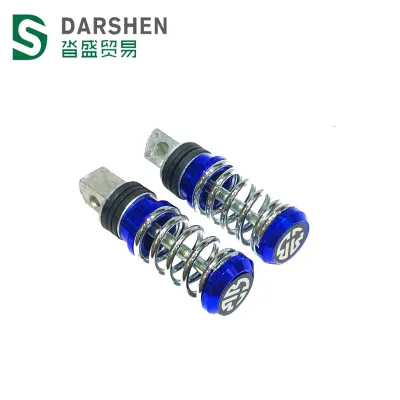
Buyers should scrutinize the specific model compatibility listed in product attributes, as many suppliers explicitly target popular models like the GN125, YBR125, and CT100 alongside generic universal options. The presence of specific brand names such as Darshen and detailed model references indicates a targeted supply chain, whereas generic listings may lack the precision needed for complex assembly. Understanding these signals helps procurement teams filter out incompatible inventory and focus on suppliers who demonstrate a clear understanding of the specific motorcycle architectures they serve.
Packaging and shipping details provide critical insights into the supplier's operational maturity and the product's physical condition upon arrival. Listings frequently mention Europe Standard Packing, carton boxes, or neutral packing, which suggests varying levels of protection during transit. Additionally, the observation of single package sizes around 30x30x30 cm and weights near 0.25 kg allows buyers to accurately calculate logistics costs and storage requirements. These tangible details are essential for planning the inbound supply chain and ensuring that the received goods match the expected specifications without damage.
Technical Specifications to Verify
Tolerance levels and material composition are paramount when evaluating the mechanical integrity of a rear footrest. Some suppliers specify machining tolerances as tight as 0.01mm for steel alloy parts, a critical metric for ensuring precise fitment and long-term structural stability under load. Buyers must verify that the material, whether carbon fiber or steel alloy, meets the stress requirements of the intended application, particularly since these components often serve as critical mounting points for the rider's weight and clutch operation.
Dimensional consistency and standardization are equally vital, as the market lists standards ranging from ISO9001 to specific national standards like BS, ANSI, and JIS. The product model often dictates the required dimensions, with some units labeled as "Standard Size" while others are customized to specific OEM requirements. Procurement teams should confirm that the physical dimensions of the footrest, including the placement on the vehicle, align with the motorcycle's frame geometry to prevent interference with other components or unsafe riding conditions.
Compliance and Safety Documentation
Certification status serves as a primary indicator of a supplier's adherence to international quality and safety protocols. The observed product data includes a mix of certifications such as ISO9001, RoHS, CE, and CCC, which collectively suggest a commitment to regulatory compliance and environmental standards. Buyers must request valid certificates for the specific batch of goods to ensure that the materials used do not contain hazardous substances and that the manufacturing process meets the rigorous demands of the global market.
Quality assurance documentation should extend beyond basic certifications to include specific test results and warranty terms. Many listings offer a six-month warranty and highlight high-quality standards, yet these claims require verification through independent testing or supplier-provided quality reports. The presence of SGS standards in some product attributes indicates a third-party validation of the manufacturing process, providing an additional layer of assurance that the footrests will perform reliably under the dynamic stresses of motorcycle operation.
Cost Drivers and Commercial Terms
Pricing in this sector is influenced by material costs, customization levels, and the complexity of the machining process. The observed price range of 0.1 to 20 USD reflects the vast difference between basic steel components and specialized carbon fiber units, with customization availability often commanding a premium. Buyers must analyze the total cost of ownership, including the potential expenses associated with custom tooling or unique packaging requirements, rather than focusing solely on the unit price listed in the initial inquiry.
Minimum Order Quantities (MOQ) and delivery timelines significantly impact the financial viability of a procurement strategy. Suppliers typically set MOQs ranging from 2 to 1000 units, with specific listings citing 300 sets as a standard threshold for certain models. Lead times generally fall between 15 and 30 days, though this can vary based on the complexity of the order and the supplier's current production capacity. Understanding these commercial terms is essential for aligning inventory levels with demand forecasts and managing cash flow effectively.
Supplier Qualification and Quality Control
Supplier location and logistical capabilities are key factors in assessing the reliability of the supply chain. The observed data points to origins in Qingdao, Zhejiang, and Hebei, regions known for their manufacturing clusters but requiring careful vetting of individual facility capabilities. Buyers should verify the supplier's ability to maintain consistent quality across batches, especially when dealing with "One-Stop Source" providers who may outsource certain production steps to third parties.
Quality control processes must be rigorously defined to ensure that every unit meets the specified standards. Attributes such as "New" condition and "High-Quality" designations are common, but they must be backed by concrete inspection protocols. The availability of samples is a critical step in this verification process, allowing buyers to physically inspect the product for defects, finish quality, and dimensional accuracy before committing to a larger order. This due diligence minimizes the risk of receiving substandard components that could compromise vehicle safety.
Long-Term Procurement Checks
Sustaining a successful partnership requires ongoing monitoring of supplier performance and product consistency over time. Buyers should establish clear metrics for evaluating delivery reliability, defect rates, and responsiveness to quality issues. The "One-Stop Source" advantage is valuable, but it necessitates regular audits to ensure that the supplier maintains the same level of quality and service as the initial order, particularly when scaling up production volumes.
Future-proofing the supply chain involves staying informed about changes in standards and market demands. As regulations evolve, suppliers must adapt their processes to maintain certifications like ISO9001 and RoHS compliance. Procurement teams should maintain open communication channels with suppliers to anticipate potential disruptions and ensure that the universal motorcycle rear footrests remain compatible with emerging vehicle models and safety requirements. This proactive approach secures a stable supply of high-quality components for the long term.
FAQs
What certifications are available for universal motorcycle rear footrests?
Available certifications include ISOGS, RoHS, CE, CCC, and ISO9001. These standards ensure compliance with international quality and safety requirements. Buyers can verify specific documentation based on their regional regulations. The product meets multiple global standards to facilitate smooth import and distribution processes.
Can I request custom packaging for bulk orders?
Yes, customization is available for packaging requirements. Options include Europe Standard Packing, Carton Box, Custom Packing, Neutral Packing, or Bag. This flexibility allows buyers to meet specific branding or logistical needs. The supplier supports tailored packaging solutions to enhance product presentation and protection during transit.
What is the typical delivery time for these parts?
The standard delivery time ranges from 15 to 30 days. This timeframe depends on order volume and specific customization requests. Buyers should plan their inventory accordingly to avoid stockouts. Expedited options may be available for urgent requirements, subject to supplier capacity and current production schedules.
Which motorcycle models are compatible with these footrests?
These footrests are compatible with models such as SUZUKI, YAMAHA, HONDA, GN125, YBR125, and CT100. The universal design ensures broad applicability across various brands. Buyers should verify specific fitment details before ordering. The product is engineered to meet standard mounting specifications for these popular motorcycle series.
What is the minimum order quantity for these parts?
The minimum order quantity is typically 300 sets. However, MOQs can range from 2 to 1000 units depending on the supplier. This threshold helps maintain production efficiency and cost-effectiveness. Buyers with smaller initial needs may negotiate terms or explore sample availability to test quality before committing to larger volumes.
Are samples available for quality verification before bulk purchase?
Yes, samples are available for quality assessment. Buyers can request samples to verify material quality, tolerance, and finish. This step ensures the product meets specific requirements before placing a large order. Sample costs and shipping fees may apply, but they provide valuable insight into the final product quality.